



A Complete Guide to Heat Shrink Tubing
At Zhizheng, with over two decades of experience in providing advanced heat shrink and cold shrink solutions, we understand that proper insulation is the backbone of electrical safety and longevity. Whether you are an aerospace engineer, an automotive electrician, or managing industrial infrastructure, understanding the nuances of protective tubing is critical.
In this comprehensive guide, we explain everything you need to know about heat shrink tubing, including the various material compositions, sizing protocols, shrink ratios, and international certifications.
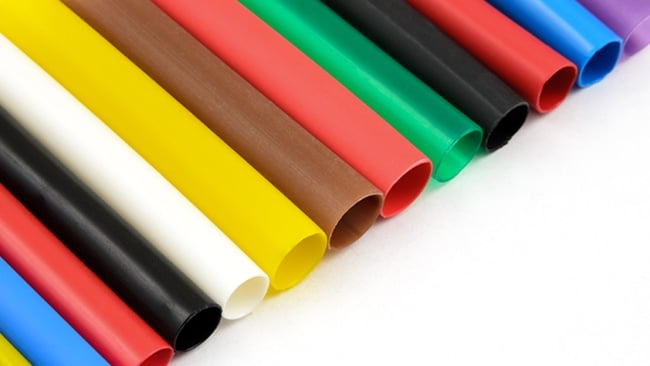
What is Heat Shrink Tubing?
To the uninitiated, the question often arises: what is heat shrink tubing? Fundamentally, it is a shrinkable plastic tube used to insulate wires, offering abrasion resistance and environmental protection for stranded and solid wire conductors, connections, joints, and terminals.
It is fabricated from a thermoplastic material—such as polyolefin, fluoropolymer, or PVC—which has been extruded and radiation cross-linked. The "memory" of the material allows it to return to its original, smaller extruded diameter when heated. While technically a thermoplastic application, in some casual workshops, you might hear it referred to as a warm shrink tube, highlighting the heat activation requirement.
Professionals utilize this tubing for several critical functions:
Electrical Insulation: Repairing damaged cable jackets or covering live splices.
Environmental Sealing: Preventing the ingress of dust, chemicals, solvents, and moisture that can cause corrosion.
Strain Relief: Mechanically reinforcing connections to prevent wires from breaking under tension or vibration.
Wire Bundling: Organizing loose wires into a single, manageable harness.
Identification: Utilizing color-coded tubes for phase identification or circuit labeling.
A key concept to grasp is the "Shrink Ratio." This indicates how much the tube will contract. For instance, standard heat shrink tubing typically features a 2:1 ratio (shrinking to half its size), whereas specialized high-ratio tubing can shrink 3:1 or even 4:1 to accommodate large connectors.
How to Use Heat Shrink Tubing Safely
Correct application is just as important as selecting the right material. Knowing how to use heat shrinking tubing safely ensures a secure seal without damaging the underlying components.
Selection: Choose a tube diameter that slides easily over the component but will shrink tightly onto the smallest part of the assembly.
Preparation: Clean the cables or components. Oils and dirt can compromise the seal, especially with adhesive-lined tubing.
Positioning: Slide the tubing into place. If covering a splice, center the tube so it overlaps the insulation on both sides equally.
Heating: Using a heat gun, apply heat evenly. Start from the center and move outwards to prevent trapping air pockets, or start from one end and work your way down. Keep the heat source moving to avoid scorching the material.
Cooling: Allow the assembly to cool completely before applying any physical stress.
Common Heat Shrink Tubing Materials
The versatility of heat shrink comes from the variety of chemical compositions available. At Zhizheng, we manufacture a wide array of heat Shrink Components tailored to specific industrial environments.
Polyolefin Heat Shrink Tubing
Polyolefin is the most common material used in the industry. It is highly resistant to flame, chemicals, and abrasion. It is the go-to standard for military, aerospace, and consumer electronics due to its balance of cost and performance.
PVC Heat Shrink Tubing
Polyvinyl Chloride (PVC) is generally more economical and offers vibrant colors. It is often used for lower voltage applications and battery pack insulation. While it is durable, it generally has a lower temperature tolerance than polyolefin.
PTFE Heat Shrink Tubing
Polytetrafluoroethylene (PTFE), often known by the brand name Teflon®, is the premium choice for extreme environments. It offers the lowest coefficient of friction (high lubricity) and exceptional resistance to almost all chemicals. It is capable of operating in very high temperatures.
FEP Heat Shrink Tubing
Fluorinated Ethylene Propylene (FEP) is similar to PTFE but processes at lower temperatures. It is chemically inert, UV resistant, and often optically clear, making it ideal when you need to visually inspect the underlying connection after sealing.
Elastomeric Heat Shrink Tubing
When flexibility is paramount, elastomeric tubing is the solution. Based on synthetic rubber, it remains flexible even at low temperatures and offers excellent resistance to hydrocarbons like diesel fuel and hydraulic fluids, making it a favorite in the heavy equipment industry.
PVDF Heat Shrink Tubing
Polyvinylidene Fluoride (PVDF) is a tough, semi-rigid material. It provides high heat resistance and is mechanically robust. It is frequently used in automotive applications where wires pass through tight spaces and require significant abrasion protection.
Silicone Heat Shrink Tubing
Silicone is unique due to its extreme temperature flexibility—it won't crack in freezing cold or melt in high heat. It is widely used in medical devices due to its sterilization compatibility and in bundling fiber optic cables.
Viton Heat Shrink Tubing
Viton (Fluoroelastomer) is a specialized material designed to withstand aggressive fuels and solvents at high temperatures. It is essential in aerospace fuel systems and automotive engine compartments where other materials would dissolve.
Types of Heat Shrink Tubing
Beyond the raw material, the construction of the tube walls defines its application:
Single Wall (Thin Wall): This is the standard tubing used for electrical insulation and color coding. It is flexible and conforms well to shapes.
Dual Wall (Adhesive Lined): This tubing features an inner layer of hot-melt adhesive. When heated, the adhesive flows to fill voids, creating a hermetic, waterproof seal. This is crucial for marine and outdoor applications to prevent corrosion.
Heat Shrink Accessories
To complement the tubing, a complete installation system often requires specialized heat shrink cable accessories.
Heat Shrink Connectors
These are crimp terminals pre-fitted with heat shrink insulation. Once the wire is crimped, applying heat seals the connection point, offering superior pull-out strength and moisture resistance compared to standard vinyl or nylon terminals.
Heat Shrink Wrap
For repairing cable jackets where you cannot slide a tube over the end (because the cable is already connected), heat shrink wrap or repair sleeves are used. These wrap around the damage and are sealed shut, usually with a metal channel and adhesive lining.
Heat Shrink Tape
This is a heat-activatable adhesive tape. While not a tube, it shrinks and bonds when heated, useful for irregular shapes or quick emergency repairs on busbars.
Heat Guns
A professional heat gun is the primary tool for application. Unlike open flames, which can produce soot and damage insulation, heat guns provide controlled, flameless hot air to ensure even shrinkage.
Heat Shrink Products in Action
From the depths of the ocean in subsea cables to the high altitude of aerospace wiring harnesses, Zhizheng's products are protecting critical infrastructure. Proper application ensures that these products can withstand decades of service.
What Size Heat Shrink Tubing Do You Need?
Selecting the correct size is the most common challenge. The "Golden Rule" is the 80:20 rule—the tubing should be at least 20% larger than the object to be covered, but typically not more than 80% larger than the recovered diameter.
Measure the widest part of the component (e.g., the connector) to ensure the tube will slide over it (Expanded ID).
Measure the smallest part of the cable to ensure the tube will grip it tightly after shrinking (Recovered ID).
Check the Shrink Ratio (2:1, 3:1, etc.) to ensure it covers both measurements.
Common Sizing Guide:
12-14 Gauge Wire: Typically requires 5mm (approx 0.198 inch) tubing.
16-18 Gauge Wire: Typically requires 3mm (approx 0.118 inch) tubing.
Always refer to the technical datasheet for the specific "Expanded" vs. "Recovered" dimensions.
Heat Shrink Standards and Certificates
Quality and safety are non-negotiable. Zhizheng products adhere to rigorous global standards:
UL224: The standard for Extruded Insulating Tubing, ensuring flame retardancy and voltage rating.
SAE AS23053 (formerly MIL-DTL-23053): The aerospace and military standard for heat shrink, defining strict physical and chemical properties.
ASTM D 2671: Standard test methods for heat-shrinkable tubing.
FAQs
Can You Cut Heat Shrink Tubing?
Yes. You can cut tubing to any length using standard sharp scissors or wire cutters. Ensure the cut is clean and straight; jagged edges can lead to splitting when the tubing is heated and shrinks.
Can You Use Electrical Tape Instead of Heat Shrink Tubing?
While electrical tape is useful for temporary fixes, it is not a permanent replacement. Tape adhesive degrades over time, unravelling and leaving sticky residue. Heat shrink provides a permanent, molded solution that is physically stronger and environmentally superior.
How Do You Remove Heat Shrink Tubing?
If rework is necessary, you can remove the tubing by carefully scoring it lengthwise with a sharp utility knife or razor blade. Be extremely careful not to nick the wire insulation underneath. Once scored, peel the tubing away with needle-nose pliers.
Is Heat Shrink Tubing Waterproof?
Standard single-wall tubing is water-resistant but not waterproof. To achieve a truly waterproof seal suitable for submersion, you must use dual-wall (adhesive-lined) tubing. The inner adhesive melts and fills all voids, blocking moisture ingress.
What Temperature is Needed for Heat Shrink Tubing?
The required temperature depends on the material. how to use heat shrinking tube correctly involves knowing these limits:
- Polyolefin typically shrinks at 90°C (194°F).
- PTFE (Teflon) requires a much higher heat shrink temperature, often around 250°C (480°F).
Always check the manufacturer's specifications to avoid under-shrinking or burning the material.
Summary
Heat shrink tubing is an indispensable component in modern electrical engineering, providing vital insulation, protection, and strain relief. From standard polyolefin to high-performance PTFE, choosing the right material and size is critical for project success. At Zhizheng, we leverage 26 years of manufacturing excellence to provide world-class heat shrink and cold shrink solutions. Whether you need standard tubing or specialized heat shrink cable accessories, our expertise ensures your connections remain secure in any environment.